

Top Applications for Aluminum in Construction and Design
- Victor yu
- Apr 27
- 3 min read

Aluminum has become a cornerstone material in the construction and design industries, thanks to its unique properties and versatility. From skyscrapers to residential homes, aluminum is used in various applications that enhance both functionality and aesthetics. In this blog post, we will explore the top applications for aluminum in construction and design, highlighting its benefits and providing specific examples to illustrate its impact.
Why Choose Aluminum?
Before diving into specific applications, it's essential to understand why aluminum is a preferred choice in construction and design. Here are some key benefits:
Lightweight: Aluminum is significantly lighter than steel, making it easier to transport and handle during construction.
Corrosion Resistance: Its natural oxide layer protects aluminum from corrosion, ensuring longevity and reducing maintenance costs.
Recyclability: Aluminum is 100% recyclable without losing its properties, making it an environmentally friendly option.
Aesthetic Appeal: Available in various finishes and colors, aluminum can enhance the visual appeal of any structure.
Structural Applications
1. Framing Systems
Aluminum framing systems are increasingly popular in modern architecture. They provide strong support while remaining lightweight. For example, many commercial buildings use aluminum frames for their windows and doors, allowing for larger glass panels that maximize natural light.
2. Roof Structures
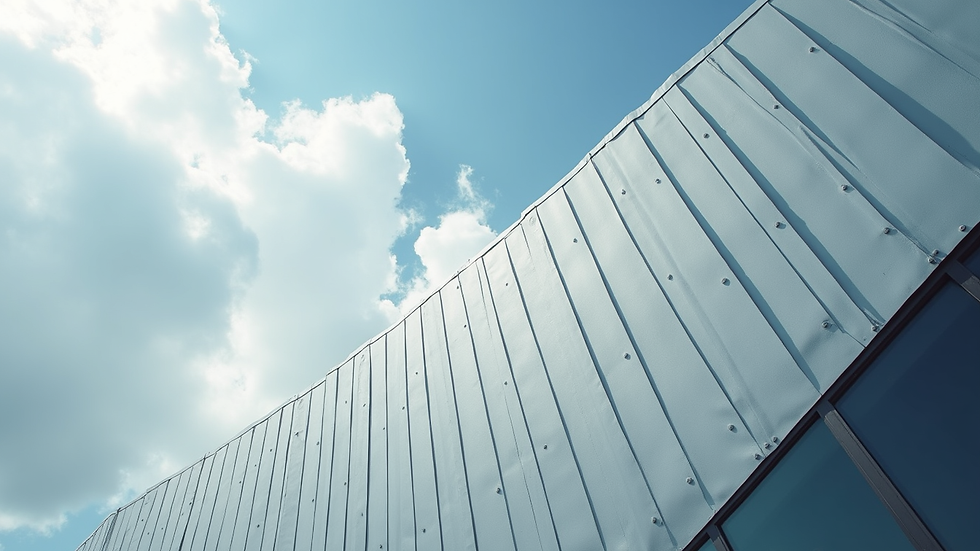
Aluminum is often used in roofing systems due to its durability and resistance to weather conditions. Its lightweight nature reduces the load on the building's structure. A notable example is the Aluminum Roof System used in the Walt Disney Concert Hall in Los Angeles, which showcases both functionality and artistic design.
3. Bridges
Aluminum is also utilized in bridge construction. Its lightweight properties allow for longer spans without the need for extensive support structures. The Aluminum Bridge in New York is a prime example, demonstrating how aluminum can be both functional and visually appealing.
Architectural Features
4. Facades
Aluminum facades are becoming a popular choice for modern buildings. They offer flexibility in design and can be customized to fit various architectural styles. The One World Trade Center in New York features an aluminum facade that reflects the changing light throughout the day, creating a dynamic visual experience.
5. Balconies and Railings
Aluminum is frequently used for balconies and railings due to its strength and resistance to corrosion. It can be easily shaped into intricate designs, enhancing the overall aesthetic of a building. For instance, many luxury apartments in coastal areas use aluminum railings that withstand harsh weather while providing a sleek look.
Interior Design Applications
6. Ceiling Systems
Aluminum ceiling systems are gaining traction in commercial spaces. They provide excellent acoustics and can be designed to create unique visual effects. For example, the Aluminum Acoustic Ceiling in the Apple Store in San Francisco combines functionality with modern design.
7. Furniture
Aluminum is increasingly used in furniture design, particularly for outdoor settings. Its lightweight nature makes it easy to move, while its durability ensures it can withstand the elements. Brands like Knoll and Herman Miller have incorporated aluminum into their outdoor furniture lines, offering stylish and functional options.
Sustainable Construction
8. Green Building
Aluminum plays a significant role in sustainable construction practices. Its recyclability contributes to reducing waste in landfills. Many green building certifications, such as LEED, recognize the use of aluminum in construction projects. For example, the Bullitt Center in Seattle, known as one of the greenest commercial buildings, incorporates aluminum in its design to meet sustainability goals.
9. Energy Efficiency
Aluminum can enhance energy efficiency in buildings. When used in window frames, it can be combined with thermal breaks to reduce heat transfer, leading to lower energy costs. The Aluminum Window Frame in the California Academy of Sciences is designed to maximize energy efficiency while providing stunning views of the surrounding landscape.
Innovations in Aluminum
10. 3D Printing
The advent of 3D printing technology has opened new avenues for aluminum applications in construction. This innovative approach allows for the creation of complex structures that were previously impossible to achieve. Companies are now experimenting with 3D-printed aluminum components for both aesthetic and functional purposes.
11. Smart Aluminum
With the rise of smart technology, aluminum is being integrated into smart building systems. This includes aluminum panels that can change color or opacity based on environmental conditions, enhancing both energy efficiency and aesthetics. Such innovations are paving the way for the future of construction and design.
Conclusion
Aluminum's versatility and unique properties make it an invaluable material in construction and design. From structural applications to innovative interior designs, its benefits are evident across various projects. As the industry continues to evolve, aluminum will undoubtedly play a crucial role in shaping the future of architecture and construction.
By embracing aluminum in your next project, you can leverage its strengths to create functional, sustainable, and visually appealing structures. Whether you're an architect, builder, or homeowner, consider the many applications of aluminum and how they can enhance your designs.

Comments